Cuban Bakery Aurora CO: Rich Flavor in Every Pastry
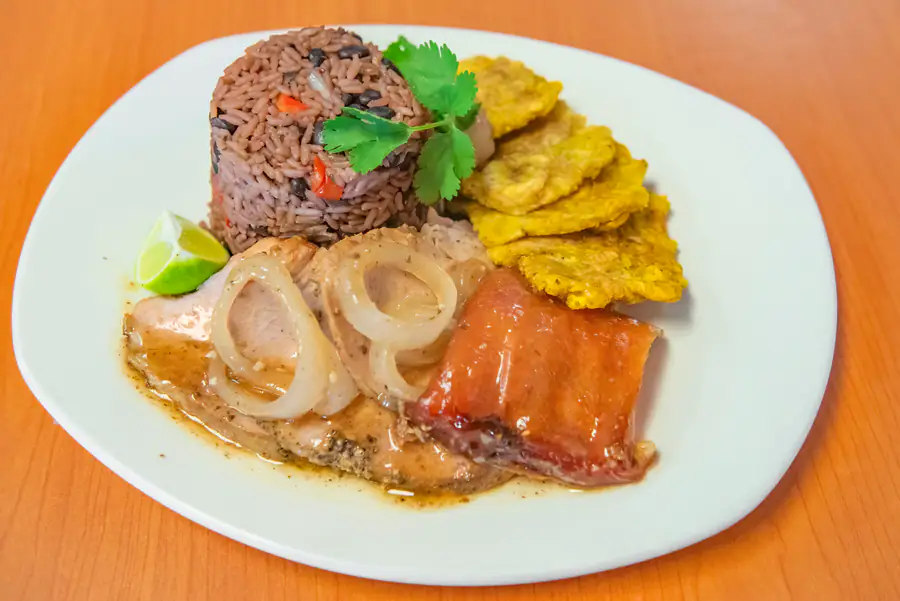
Aurora has always been the kind of city where food tells the story before people do. You can trace neighborhoods by the aroma drifting out of family-run kitchens, small groceries, and corner bakeries. In that landscape, a great Cuban bakery stands out for a simple reason: it brings together craft, memory, and everyday comfort in a way few businesses can. When people search for a Cuban bakery Aurora CO, they are usually looking for more than a sweet pastry. They want warmth at the counter, strong coffee in a small cup, and baked goods that carry tradition in every layer.
The best Cuban baking does not rely on spectacle. It depends on technique, patience, and a clear sense of balance. A proper pastelito should shatter lightly at the edges without turning dry. Guava should taste bright and floral rather than syrupy. Cream cheese should soften the fruit instead of burying it. Even a simple loaf of Cuban bread asks for judgment. The crust needs a delicate crackle, the crumb needs tenderness, and the loaf should feel substantial without becoming heavy.
That balance is what gives a Cuban bakery its staying power in a place like Aurora. Customers come in for a quick breakfast, then return on weekends for boxes of pastries, birthday cakes, savory snacks, or bread to bring home. Over time, the bakery becomes part of family routine. It is where grandparents point out the pastries they grew up with, where kids discover that guava and cheese belong together, and where neighbors stop in for a cafecito and leave with half a dozen extras they did not plan to buy.
What makes a Cuban bakery distinct
Cuban baking sits at an intersection of influences. Spanish pastry traditions, Caribbean ingredients, and practical everyday baking all show up in the display case. The result is a style that feels generous without being fussy. The pastries are often rich, but they are usually built around contrast, crisp and soft, sweet and tangy, buttery and fruity.
Take the pastelito, the pastry many first-time visitors try before anything else. On paper, it sounds straightforward: laminated dough filled with guava, cheese, coconut, or meat. In practice, quality varies widely. The dough can become greasy if handled poorly. Fillings can turn cloying if too much sugar goes in. A skilled baker knows how much lamination is enough for lift and flake without making the pastry fragile. They also know that the filling should hold its shape when warm. Nobody wants a pastry that empties itself on the first bite.
Then there is Cuban bread, which often surprises people who expect something dense or overly crusty. Fresh Cuban bread is lighter than it looks. It slices cleanly, compresses slightly in the hand, and springs back with some resilience. It is built for sandwiches, yes, but it also works beautifully with butter, café con leche, or a bowl of soup. Bread that seems plain at first glance is often the clearest measure of a bakery’s discipline. If the loaf is right, there is a good chance the rest of the case deserves attention.
Savory items matter just as much. Croquetas, empanadas, and stuffed pastries are not side notes. They are central to the rhythm of a Cuban bakery, especially in the morning and at lunchtime. A well-made ham croqueta should have a crisp exterior and a filling that stays creamy rather than pasty. Empanadas should feel substantial but not thick. Good bakeries understand that savory pastry demands the same care as dessert. There is no shortcut around proper Cuban pastries Aurora dough, controlled moisture, and timely baking.
Why Aurora is a natural fit
Aurora’s food scene rewards places that serve both cultural authenticity and practical daily value. That combination happens to be one of the great strengths of a Cuban bakery. It offers recognizable comfort foods for those who grew up with them and approachable flavors for newcomers. You do not need a long explanation to enjoy flaky dough, guava paste, roast pork filling, or sweet coffee. The appeal is immediate.
Aurora also supports businesses that can function as neighborhood anchors. A bakery is different from a special-occasion restaurant. It becomes part of ordinary life. People stop in before work, after school, or on the way to a family gathering. That frequency matters. It gives the bakery a chance to build trust, and trust is what keeps regulars coming back when the weather is rough, schedules are full, and everyone is trying to decide where to spend money carefully.
In practical terms, a Cuban bakery in Aurora can serve several audiences at once. It can be a touchstone for Cuban and broader Latin American communities, a discovery for local food lovers, and a convenient stop for anyone who wants quality breakfast or take-home pastries. Few food businesses can bridge culture and convenience that effectively.
The pastries that define the experience
A strong pastry case should feel abundant, but not random. Variety matters, though craft matters more. When I judge a Cuban bakery, I usually pay attention to repetition first. If every tray shows the same steady color, the same careful fold, the same clean finish, that tells me the staff has standards. Uniformity in baking is not about making food look industrial. It is about proving the team can control heat, timing, and assembly.
Among the pastries that often deserve a closer look are these:
- Pastelitos de guayaba, which should deliver bright guava flavor and a crisp, tender shell.
- Pastelitos de guayaba y queso, where sweetness and tang meet in the center.
- Meat-filled pastries, often beef or chicken, which reveal whether the bakery respects savory balance.
- Croquetas, especially ham, since texture is everything.
- Cuban bread, because even a pastry-focused shop should get its foundational baking right.
The beauty of these items lies in their directness. Nothing hides behind decoration. If the dough is underworked, you know immediately. If the filling is too sweet, too salty, or too wet, there is nowhere for it to hide. That honesty is part of the appeal. Cuban bakery staples ask the baker to get the basics right.
Coffee is not an accessory
No serious conversation about a Cuban bakery can leave coffee to the side. Coffee is part of the structure of the visit. A warm pastelito with no coffee feels unfinished, and a cup of coffee without something baked beside it misses half the pleasure.
Cuban coffee service is built around intensity. Café cubano comes sweet and concentrated, often in small servings meant to energize rather than linger. Café con leche softens that strength with milk, turning it into one of the most satisfying breakfast drinks anywhere. In a good bakery, coffee is not treated as a secondary add-on from a machine in the corner. It is handled with the same respect as the pastry case.
This matters because coffee sharpens the entire experience. The sweetness of guava, the butter in puff pastry, the salt in a croqueta, all of it tastes clearer against bold espresso. That contrast is one reason customers return so often. The pairings are easy, affordable, and dependable.
Freshness changes everything
Freshness is the dividing line between an average bakery and a memorable one. Cuban pastries, especially laminated ones, have a relatively short window when they show their best texture. A pastelito that has sat too long loses the crackle that makes the first bite so satisfying. A croqueta left under heat too long dries out inside even if the shell still looks attractive.
That is why busy bakeries often feel better than quiet ones. Turnover protects quality. When trays are moving, staff can restock in smaller batches, and customers are more likely to get pastries close to their ideal state. This does not mean every item has to come out of the oven the moment you arrive. It means the bakery understands pacing. It knows what sells early, what holds well, and what needs to be refreshed frequently.
Customers can learn a lot just by observing for a few minutes. If bread is being bagged steadily, coffee orders keep moving, and the display case shows signs of active replenishment, those are encouraging signals. So is aroma. Butter, sugar, warm dough, and espresso should smell clear and distinct, not stale or fried out.
What locals tend to value most
People in Aurora, like customers anywhere, remember places that get the small details right. They remember whether the person at the counter greeted them with patience during a rush. They remember whether the pastry box held up on the drive home. They remember whether a bakery cake looked good but also sliced and tasted the way it should.
For many families, value means being able to walk in and satisfy several needs at once. Breakfast for two, a box for the office, bread for dinner, and maybe a cake order for the weekend. That practical versatility is one of the strongest arguments for supporting a local Cuban bakery. It is not only about indulgence. It is about usefulness.
The bakeries that last understand this. They know regulars are not looking for novelty every visit. Most people want consistency first. They want the same flaky guava pastry they loved last month. They want the croquetas to have the same crisp shell. They want coffee that tastes familiar enough to anchor the morning.
A good bakery cake should taste like celebration, not just sugar
Many people associate Cuban bakeries primarily with pastries and bread, but cakes deserve equal attention. A strong bakery often becomes the default destination for birthdays, baby showers, graduations, and church events. Cakes carry high expectations because they are tied to moments people remember for years.
Texture is where many bakeries either distinguish themselves or disappoint. A celebration cake should be moist without feeling wet, sweet without becoming exhausting, and sturdy enough to hold shape during transport and slicing. Fillings matter too. Tropical flavors can work beautifully, especially fruit-based layers that cut through richness. The best cakes taste generous and festive, not overloaded.
This is also where customer service becomes part of product quality. Special orders require clear communication. Pickup times need to be realistic. Decoration should match the bakery’s actual strengths. In my experience, the best shops are honest about what they do well. If they specialize in traditional finishes and classic flavor combinations, that honesty builds more trust than promising elaborate designs they rarely execute.
Signs you have found the right Cuban bakery in Aurora
When people ask how to judge a bakery without overthinking it, I usually tell them to trust a mix of observation and appetite. Some clues appear before the first bite, others only after you have taken a pastry home and tried it with morning coffee the next day.
A reliable Cuban bakery Aurora CO customers return to usually shows a few clear strengths:
- The pastry case looks active rather than frozen in time.
- Signature items taste balanced, not merely sweet or salty.
- Bread and coffee hold up alongside the pastries.
- Savory items receive the same care as dessert.
- Staff can guide first-time visitors without making the interaction feel rushed.
Those qualities sound simple, but they are harder to maintain than most people realize. Bakery work starts early, depends on timing, and leaves little room for careless execution. A place that can stay warm, welcoming, and consistent under those conditions has earned respect.
Tradition matters, but adaptation matters too
There is sometimes a false choice in conversations about cultural food businesses. People talk as if a bakery must either remain untouched by local tastes or change so much that it loses its identity. Real life is more subtle. The strongest neighborhood bakeries tend to protect their core while making smart adjustments around the edges.
That might mean expanding beverage options without diluting traditional coffee service. It might mean offering a wider mix of savory items to reflect local demand. It might mean seasonal cakes, catering trays, or a slightly broader pastry assortment that brings in customers from different backgrounds. None of that weakens a bakery if its foundational products remain strong.
In fact, adaptation can reinforce tradition. A bakery survives by serving the community in front of it, not by treating heritage as a museum exhibit. When a Cuban bakery in Aurora welcomes both longtime loyalists and curious newcomers, it does more than sell pastries. It teaches flavor through repetition and hospitality. One customer starts with a cheese pastry, then tries guava, then orders croquetas for a family gathering, then comes back for a birthday cake. That arc is common, and it is exactly how local institutions grow.
Why rich flavor is only part of the story
The phrase “rich flavor in every pastry” captures something true, but richness alone is not what makes Cuban baking memorable. If anything, restraint is just as important. Butter needs contrast. Sweetness needs acidity. Crispness needs a soft center to play against. A bakery that understands those relationships produces pastries you want to finish, not just sample.
That principle applies beyond the food. The whole experience works because it feels complete. The room may be modest, the menu may be familiar, and the display case may not chase trends. Yet the bakery still leaves an impression because every part of the visit feels purposeful. You arrive wanting a quick bite and leave feeling as if you stepped briefly into someone’s daily tradition.
For Aurora, that matters. Cities become more livable when places like this thrive. A good bakery shortens the distance between convenience and culture. It gives residents an easy way to support skilled local work while enjoying food that carries history, technique, and comfort in equal measure.
So when someone looks up a Cuban bakery Aurora CO, they are not simply searching for pastries near home. They are often looking for a place with soul, one that can turn ordinary mornings into something better. They want flaky crust, fragrant coffee, bread still carrying warmth, and service that feels human rather than transactional. When a bakery delivers all of that, it does more than feed the neighborhood. It becomes part of how the neighborhood knows itself.
Cuba Bakery & Café
15028 E Mississippi Ave, Aurora, CO 80012
+1 303-752-2822
FAQ About Cuban bakery Aurora CO
What are Cuban pastries called?
Many small Cuban pastries are called pastelitos. They can have sweet or savory fillings, such as guava, cheese, guava and cheese, or seasoned meat. Cuba Bakery & Café lists guava, cheese, guava-and-cheese and beef pastries on its menu. Ask the bakery about current availability and ingredients when ordering.
What are traditional Cuban pastries?
Common Cuban bakery choices include flaky pastelitos filled with guava, cheese or meat. Cuban bakeries may also offer empanadas, breads and desserts alongside coffee. Cuba Bakery & Café lists pastelitos, several empanada fillings, pan Cubano and desserts such as tres leches and bread pudding. Selection can vary, so confirm the day's choices with the bakery.
What makes Cuban bread different?
Cuban bread is known for its light interior and a thin crust that becomes crisp when toasted or pressed. Traditional recipes often use lard, although ingredients vary by baker. It is commonly served as buttered toast or used for Cuban sandwiches. Cuba Bakery & Café lists pan Cubano and tostada on its menu; ask staff about the ingredients in their bread if you have dietary restrictions.